Leasing or Buying, Fuel or Depreciation: Balancing the True Price of a Car
That shiny new vehicle can feel like a ticket to freedom, yet the real hit to your wallet unfolds slowly, long after you leave the showroom. Month by month, everyday necessities and long‑term commitments quietly pile up, turning an exciting purchase into a surprisingly heavy financial obligation.
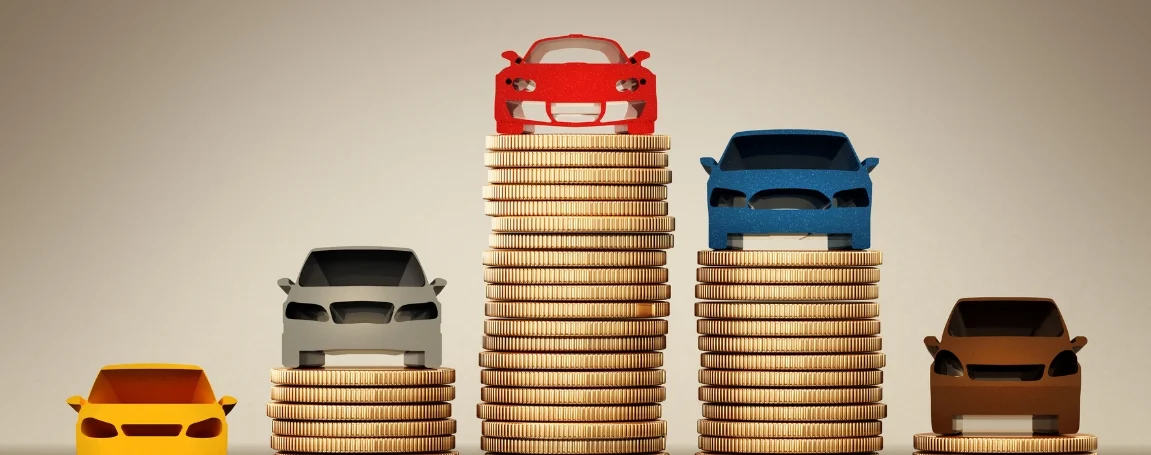
Seeing The Real Cost, Not Just The Windshield Sticker
Why the upfront figure hides more than it reveals
That big number in the showroom window is only the first chapter of the expense story. Focusing on down payment and monthly instalments is natural, but ownership stretches across years, not weeks. Alongside the purchase sit borrowing charges, compulsory coverage, energy, servicing, parking, fees, and the gradual loss of value. Two cars with similar transaction prices can cost dramatically different amounts once interest, running costs and resale value are added. Treating a vehicle like a multi‑year subscription, not a one‑time buy, is what turns an emotional choice into a financial decision.
Loan structures and how they reshape the price
Financing can quietly add thousands over the life of a contract. A low monthly instalment often comes from extending the term and accepting higher overall borrowing costs. Larger, more expensive models usually mean a bigger loan and more interest, especially when the rate is above average. Shorter terms raise the monthly hit but shrink total charges; longer terms do the opposite. Balloon payments and final value agreements reduce instalments now but leave a lump sum later. Before signing, it helps to ask not “Can I afford the monthly?” but “What is the total I will repay including interest and fees?”
Matching price to how long you’ll actually keep the car
Keeping a vehicle for a long time spreads the upfront outlay and loss of value over many years. Swapping every three or four years concentrates that loss into a shorter period. Someone planning a decade of use might sensibly stretch a little on an efficient, reliable model, because the extra purchase cost can be offset by lower running bills and slower loss of value. A frequent upgrader, in contrast, is often better off choosing something cheaper that holds its worth reasonably well, because each change effectively “realises” the drop in value at sale or trade‑in time.
| Usage pattern | Better fit | Why it often costs less overall |
|---|---|---|
| Short‑term, frequent swaps | Lower‑priced, steady‑value models | Limits losses when trading in every few years |
| Long‑term keeper | Efficient, durable models, higher upfront | Higher price spread over many years of use |
| Unsure, life in transition | Flexible contracts or shorter finance term | Reduces risk if income or needs change quickly |
Everyday Outflow: Energy, Servicing And Small Surprises
Living with fuel and charging volatility
Owning a vehicle locks you into whatever is happening at the pump or socket. Conventional engines feel simple: fill up, drive away, repeat. But those fills add up quickly, especially with long commutes or heavy traffic. Electrified options shift spending onto your household power bill or public charging accounts. Home charging, particularly off‑peak, can be far cheaper per mile than petrol or diesel, but installing equipment and higher overall usage still matter. Relying on rapid public chargers tends to narrow the gap, and frequent long‑distance driving can erode savings further. The crucial step is to estimate annual mileage, then multiply by a realistic per‑mile energy cost for your situation.
Routine care, repairs and wear‑and‑tear
Routine servicing feels small compared with the purchase, yet over several years it becomes a substantial line on the spreadsheet. Traditional engines need oil, filters, and more complex mechanical checks at regular intervals. Battery‑powered drivetrains cut many of those tasks but still need tyres, brake fluid, cabin filters and inspections. As mileage climbs, suspension parts, brakes and other components eventually need attention regardless of power‑train. Big items are infrequent but painful when they arrive. Planning a yearly amount for basic servicing plus an extra buffer for occasional repairs turns nasty surprises into predictable bills rather than crises.
The “little” costs you underestimate
Parking, cleaning, seasonal tyres where relevant, occasional scratches, accessories, tolls, and car‑wash visits rarely feel catastrophic on their own. Yet they form a steady drip of spending around the edges of ownership. Urban drivers may spend more on parking and tolls than on scheduled servicing. Those with long driveways and easy home parking avoid those charges but might spend more on cleaning or home charging equipment. A simple way to stay realistic is to scan your bank and card statements for three or four months and tag anything car‑related; extrapolating that pattern over a year usually reveals a much higher “little‑things” total than memory suggests.
Coverage, Paperwork And Value Loss: The Quiet Heavyweights
Why cover can rival your energy bill
Protection is one of the least visible but most stubbornly recurring costs. Many buyers ask only for an approximate yearly quote and accept it if it sounds bearable. Yet vehicle category, repair complexity, safety tech, theft risk and local accident patterns all affect premiums. Larger, more complex or prestige models often sit in higher bands because replacement parts and labour are costly. Opting for low deductibles and multiple add‑ons boosts peace of mind but also the annual bill. In some cases, the amount spent on cover over five years can match or exceed what goes into the tank or plug.
Fees, registration and other recurring obligations
Registration, inspection, local levies and similar paperwork are easy to ignore during decision‑making because each individual charge seems small. Over multiple years they form another fixed column in the budget, largely independent of mileage. Some regions charge more for heavier or more powerful vehicles, or add extra road‑use fees for battery‑powered models in place of fuel taxes. That means two similar‑looking cars can carry very different official costs just because of weight, emissions rating or propulsion type. Folding those recurring obligations into a yearly ownership estimate makes comparisons far more realistic.
| Cost type | Mostly fixed or usage‑based? | What mainly influences it |
|---|---|---|
| Cover | Largely fixed per year | Model category, repair cost, driver profile |
| Energy | Strongly mileage‑based | Distance driven, efficiency, local prices |
| Servicing & repairs | Mix of both | Age, mileage, complexity of mechanical systems |
| Registration & fees | Mostly fixed per period | Region, weight, emissions and power‑train type |
Understanding how your car sheds value
Loss of value is often the single largest element of ownership cost, even though no money visibly leaves your account each month. The hit is obvious only when selling or trading in. Models with strong reputations for reliability and efficiency usually hold their value better, softening the blow. Rapid technological change can reduce the attractiveness of older designs, particularly for electrified models where buyers compare battery health and range with newer alternatives. Short ownership periods magnify this effect: buying new and selling after two or three years generally means absorbing the steepest part of the value drop. Longer‑term owners spread that loss over more years, making each year’s “invisible cost” lower.
Choosing Between Contracts And Long‑Term Ownership
When a contract‑based arrangement makes sense
Agreements that return the car at the end of the term effectively outsource resale risk. Monthly payments often wrap together usage of the vehicle, expected value loss and borrowing costs. This can be attractive if you like driving recent models, expect your needs to change, or are nervous about unpredictable resale values, especially for fast‑evolving tech. Mileage limits and wear‑and‑tear clauses are the trade‑off: exceeding them can become expensive. For people who treat their car like a rotating appliance rather than a long‑term companion, fixed payments and a guaranteed exit can be worth the premium.
When outright ownership usually wins
Buying and then keeping a vehicle for many years tends to minimise cost per year, provided the model is reasonably efficient and reliable. Once the loan is paid off, the absence of monthly finance or contract payments creates a period where only running costs matter. Those years often shift the whole equation in favour of ownership, especially for modestly priced, durable cars. The key is being comfortable driving something that is no longer new, accepting cosmetic ageing, and budgeting sensibly for end‑of‑life repairs. For many households, a “buy once, keep for a long time” approach is what frees up money for other goals.
Fitting the car to your actual life, not the brochure
The cheapest option on paper is not always the wisest in practice. Long daily commutes reward efficient power‑trains and stable energy prices more than low purchase prices. Short, occasional trips put a spotlight on fixed costs such as cover and registration rather than fuel. Tight urban parking may make a smaller vehicle or one with good visibility more valuable than a cheaper, bulkier alternative. Thinking in terms of cost per year and cost per mile, then overlaying personal habits, income stability and how often you like change, turns a confusing set of numbers into a clear picture of what you can genuinely live with.
Q&A
-
How do insurance premiums differ between new and used cars, and what factors most affect the rate?
Insurance premiums for new cars are usually higher due to replacement value and repair costs, while used cars may be cheaper to insure. Key drivers include driver profile, claim history, safety features, annual mileage and how the car is financed or leased. -
In what ways do fuel price fluctuations influence the total cost of owning a vehicle over time?
Fuel price fluctuations can dramatically shift running costs, making efficient engines or hybrids more economical in volatile markets. They also affect resale demand, commuting patterns, and whether fixed‑cost options like EV charging plans or fuel cards become more attractive. -
Why should depreciation rates matter when comparing financing options for a car?
Depreciation rates determine how quickly equity builds relative to your loan balance. With fast‑depreciating cars, long loan terms can lead to negative equity, making low‑interest, shorter‑term financing or larger down payments more financially prudent. -
How can maintenance schedules impact insurance premiums and long‑term vehicle value?
Following manufacturer maintenance schedules helps keep safety systems reliable, which can lower claims risk and support better insurance terms. Documented servicing also boosts resale value and can reduce end‑of‑lease wear‑and‑tear charges or penalties. -
What cost and flexibility differences should drivers weigh in the leasing vs buying decision?
Leasing often offers lower monthly payments and predictable maintenance but limits mileage and customization, with no asset ownership. Buying typically costs more monthly but builds equity, offers unlimited use, and can better absorb depreciation if the car is kept longer.